September 16–17, 2026 — The 4th Future Air Mobility & eVTOL Aircraft Innovation Conference opened at the Shenzhen World Exhibition & Convention Center (Bao'an). The conference brought together more than 150 representatives from aviation research institutes, leading low-altitude economy enterprises, universities, and authoritative organizations for in-depth discussions on the development of the low-altitude economy and eVTOL technological innovation. The attendees from Shenzhen University included Academician Chen Xiangsheng, Dean of the College of Civil and Transportation Engineering and Director of the Underground Polis Academy of Shenzhen University; Prof. Hu Mingwei, Chief Information Officer of the Academy; Chen Xi, Director of the Academy's Administration Office; and Assistant Professors Cui Haipeng and Mo Dong. Academician Chen Xiangsheng and Prof. Hu Mingwei delivered keynote presentations, and Prof. Hu Mingwei served as Chair of the sub-forum on the Low-Altitude Economy and Airworthiness Management.
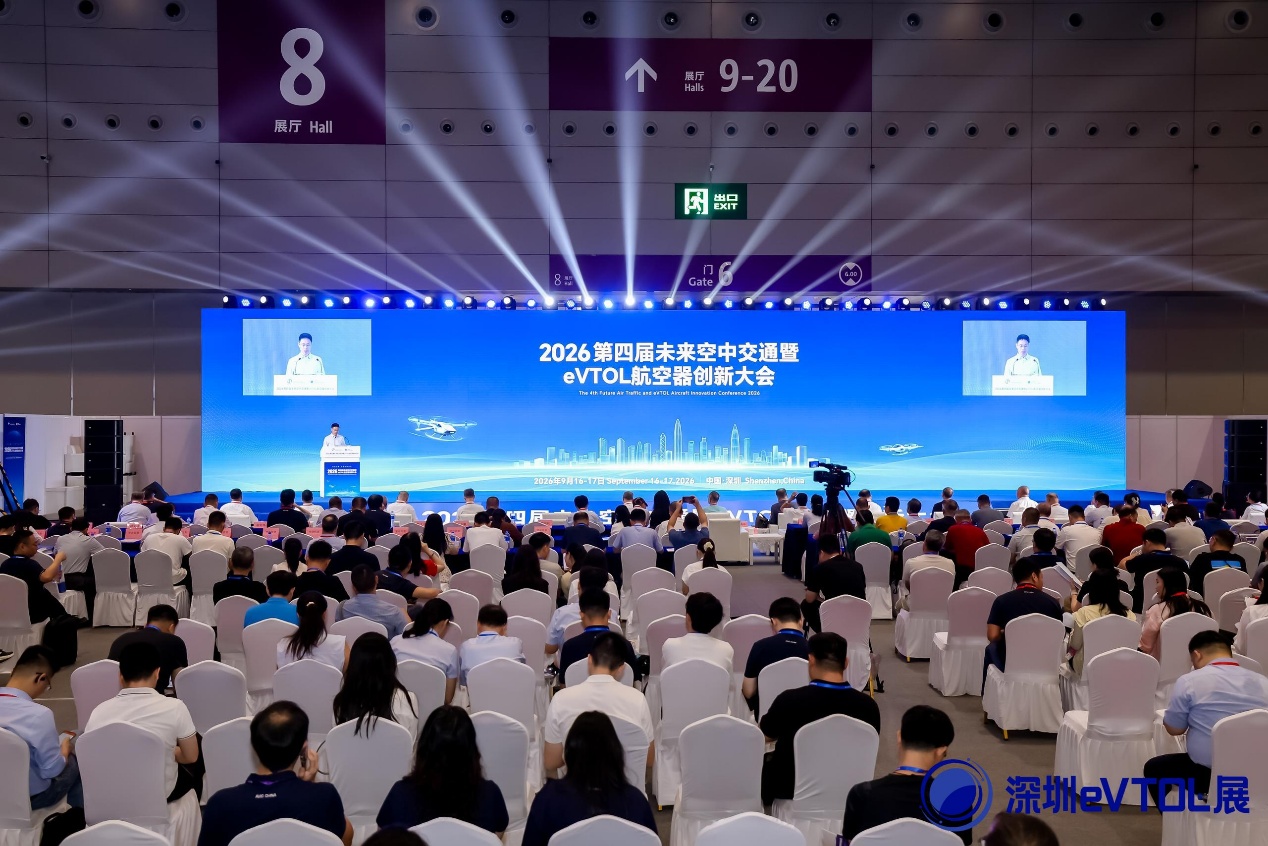
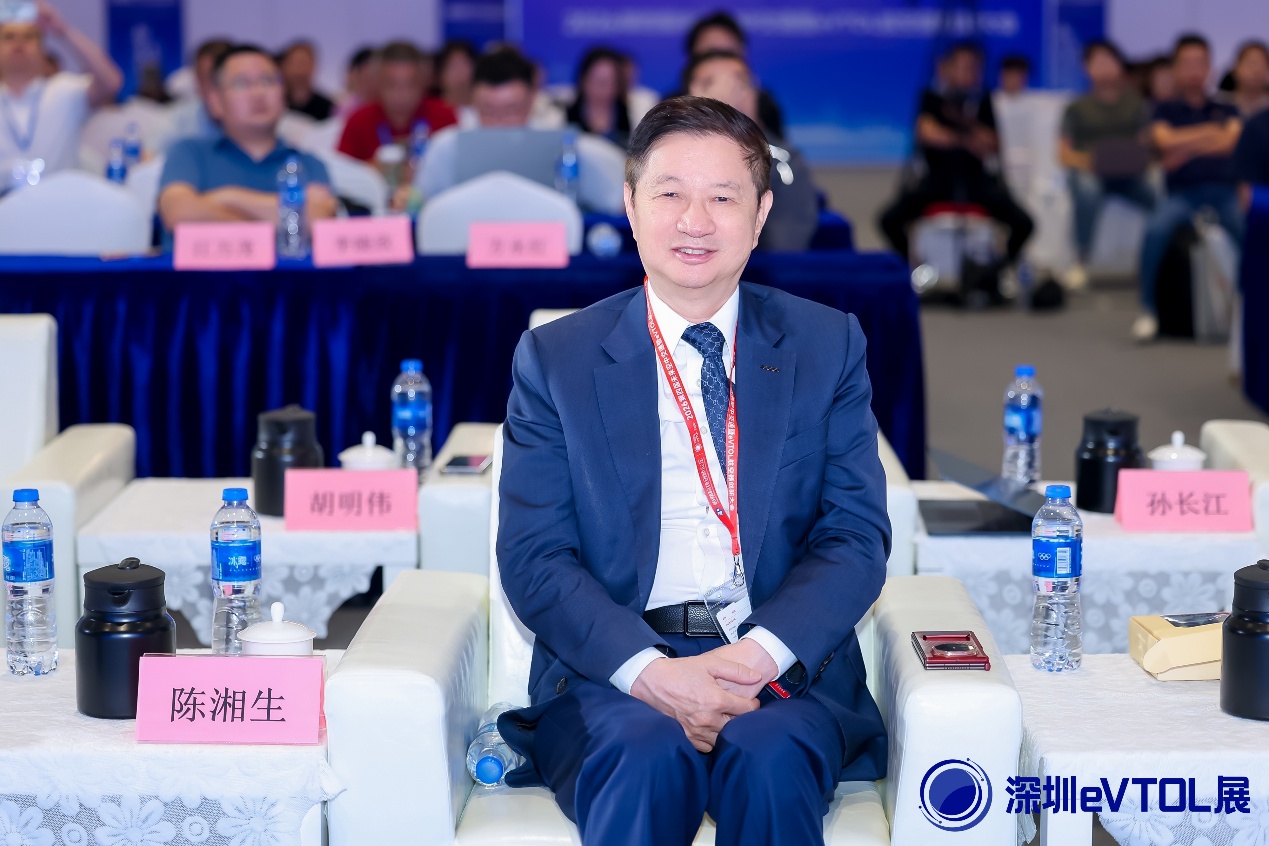
At the conference, Academician Chen Xiangsheng and Prof. Hu Mingwei, on behalf of the College's low-altitude research team, delivered a keynote presentation entitled "Reflections on the Integration of Three-Dimensional Comprehensive Transportation and New Low-Altitude Infrastructure." The presentation first reviewed national and local policy guidance on low-altitude infrastructure, noting that the Outline of the 15th Five-Year Plan explicitly calls for the scientific designation of low-altitude air routes and the deployment of take-off/landing sites along these routes, together with communication, navigation, surveillance, and meteorological infrastructure. Shenzhen has likewise made systematic arrangements for low-altitude equipment manufacturing and supporting facilities, making low-altitude infrastructure a crucial link in advancing the low-altitude economy.
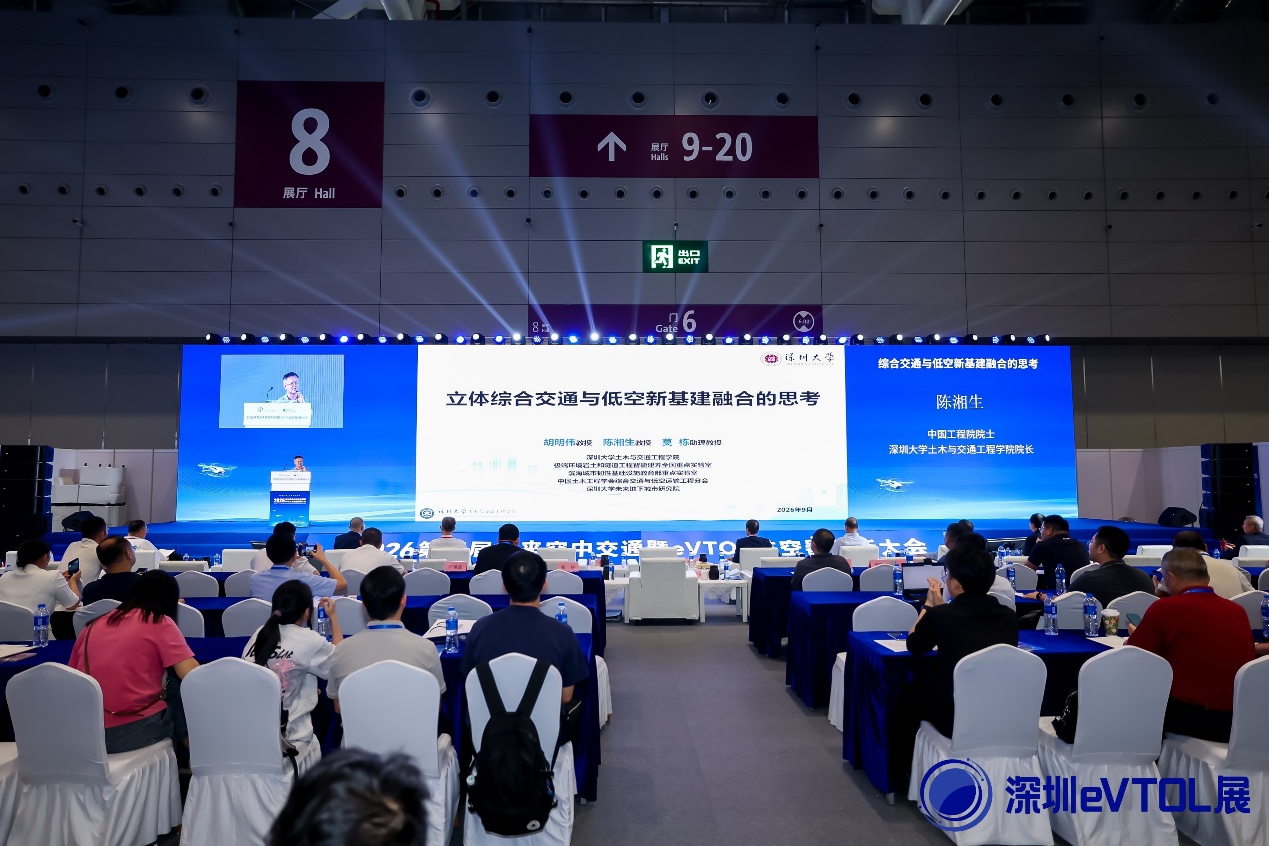
The presentation further elaborated on multi-dimensional approaches to integrating low-altitude and comprehensive transportation infrastructure, proposing pathways of functional, spatial, energy, and information integration: giving priority to retrofitting and reusing existing three-dimensional comprehensive transportation facilities over new construction; co-locating transport corridors with low-altitude air routes; empowering three-dimensional transportation through low-altitude take-off and landing facilities to achieve energy self-sufficiency; and co-developing and sharing transportation sensing, communication, and navigation facilities with the low-altitude intelligent network. The presentation concluded by emphasizing that new low-altitude infrastructure constitutes the material foundation and key support for the high-quality development of the low-altitude economy, that pioneering cities may take the lead in exploring construction pathways, and that integrated road–air construction, maintenance, and intelligent operation constitute an important direction.
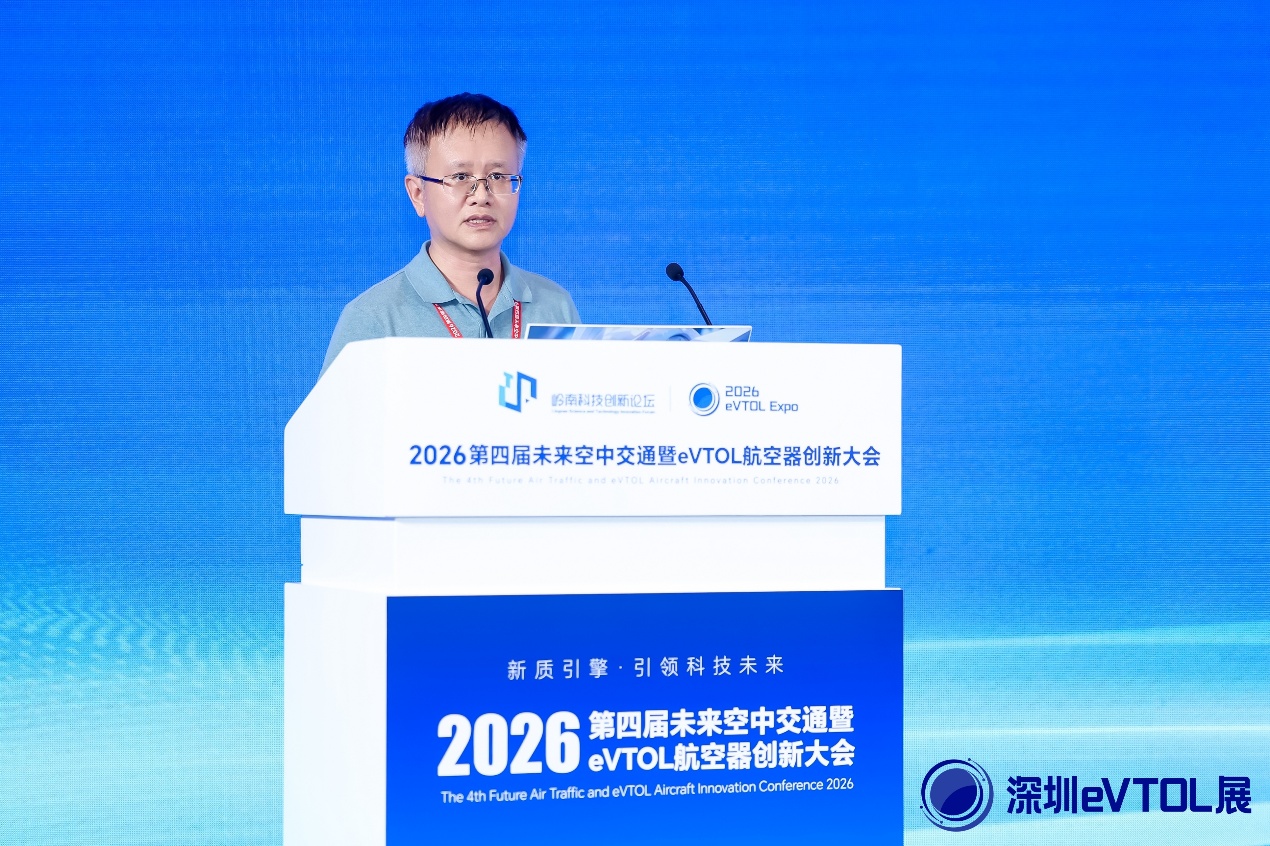
In closing, the presentation introduced the research progress of the College's low-altitude research team: under the leadership of Academician Chen Xiangsheng, the "Comprehensive Transportation and Low-Altitude Transportation Engineering Branch of the China Civil Engineering Society" was established. Following the research thread of deep convergence between "urban rail + low-altitude" systems, the team has undertaken multiple research projects in areas such as low-altitude take-off and landing facilities, low-altitude logistics, and road–air coordination, and has carried out work including standards development, simulation platform R&D, and the establishment of a special low-altitude issue of the Journal of Shenzhen University (Science and Engineering). In education, the College of Civil and Transportation Engineering, together with the Transportation Discipline Teaching Guidance Committee of the Ministry of Education and other organizations, convened the first "Symposium on Curriculum and Textbook Development for Low-Altitude Economy and Technology-Related Majors" and launched an undergraduate micro-major in Low-Altitude Traffic Technology and Engineering. These achievements attracted considerable attention and praise from the experts in attendance.
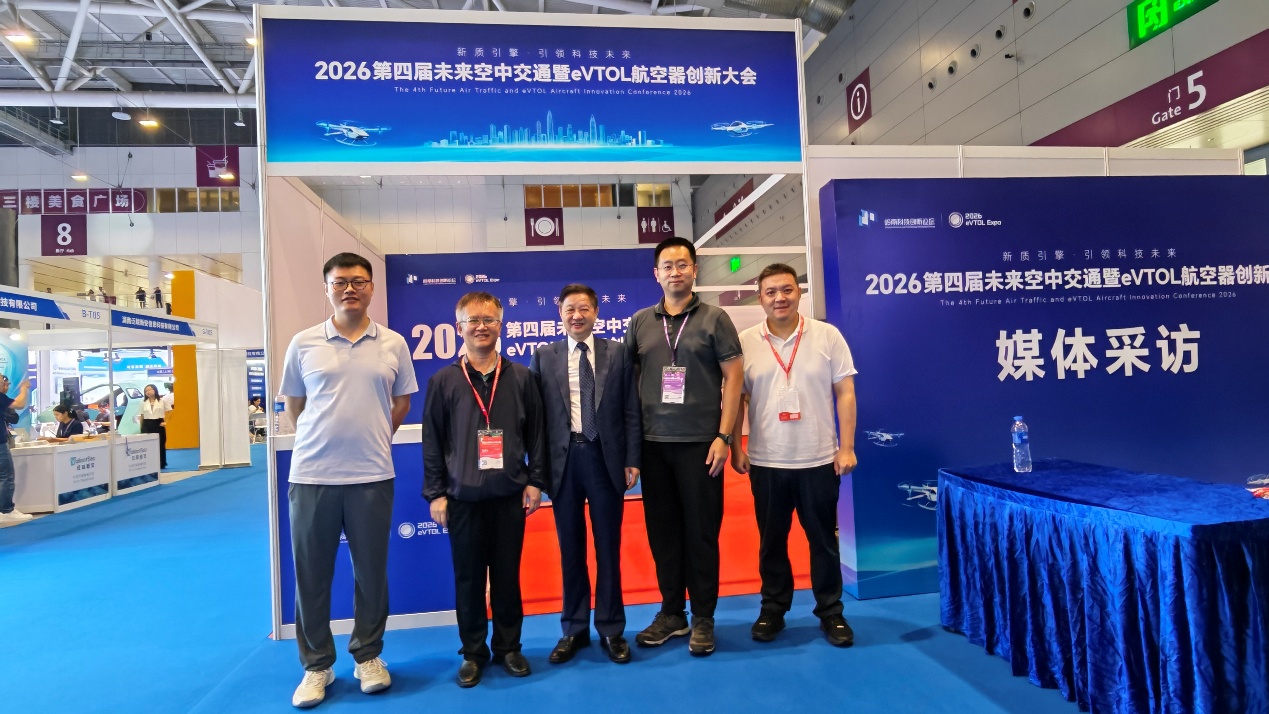
This participation demonstrated the College's research strength in the integration of the low-altitude economy with three-dimensional comprehensive transportation, and further expanded its exchanges and cooperation with stakeholders across the low-altitude industry.
Editor: Mo Dong
First Review: Lu Qiuyue
Second Review: Hu Mingwei
Third Review: Zuo Yingzi

 Eng
>
Research
>
Research Highlights
>
Content
Eng
>
Research
>
Research Highlights
>
Content