
 CN
 Search

Full-site Navigation




Home

Academician Xiangsheng Chen Leads Shenzhen University Delegation to Kazakhstan for International Academic Exchange and Urban Rail Transit Engineering Study
 Editor: 卢秋月
 Release Time: Oct 20, 2026
 Viewed:
On October 14–15, 2026, the 1st Conference on Resilient Infrastructure and Safety Engineering (RISE 2026) was held at Nazarbayev University in Kazakhstan. Academician Xiangsheng Chen of the Chinese Academy of Engineering, Dean of the College of Civil and Transportation Engineering and the Institute for Future Underground Cities at Shenzhen University, attended the conference upon invitation together with Professor Jianbo Fei and Xi Chen, Director of the General Administration Office of the Institute for Future Underground Cities. The delegation participated in international academic exchanges and conducted a focused study of urban rail transit engineering.
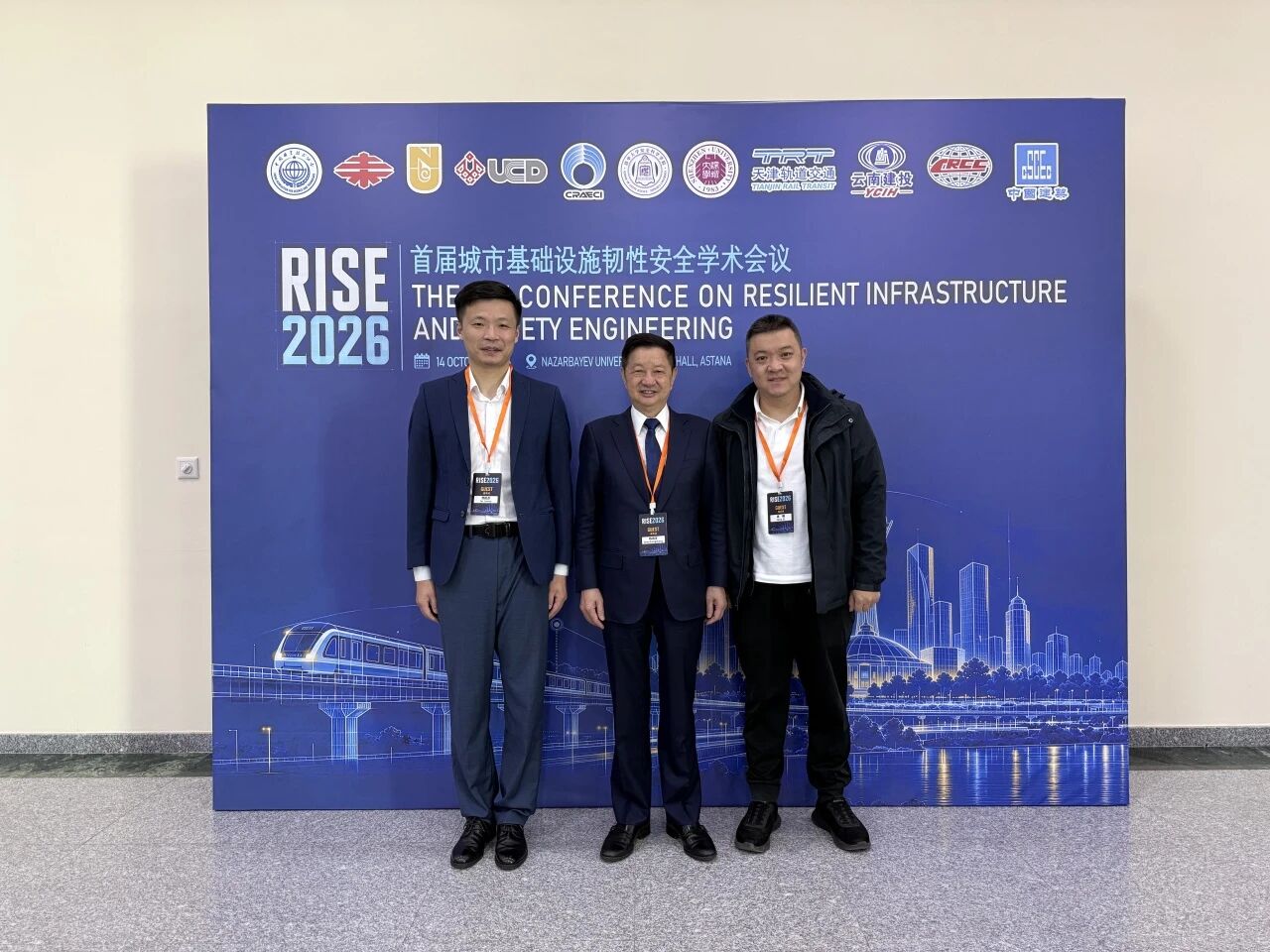
Jointly organized by the China Civil Engineering Society and Nazarbayev University, the conference focused on “Enhancing the Resilience of Transportation Infrastructure.” Distinguished scholars, engineering experts, and industry representatives from China, Kazakhstan, the United Kingdom, and other countries gathered to discuss challenges facing transportation infrastructure amid extreme climatic conditions and rapid urban development, as well as potential responses. Academician Xiangsheng Chen served as Chair of the conference’s Academic Committee.
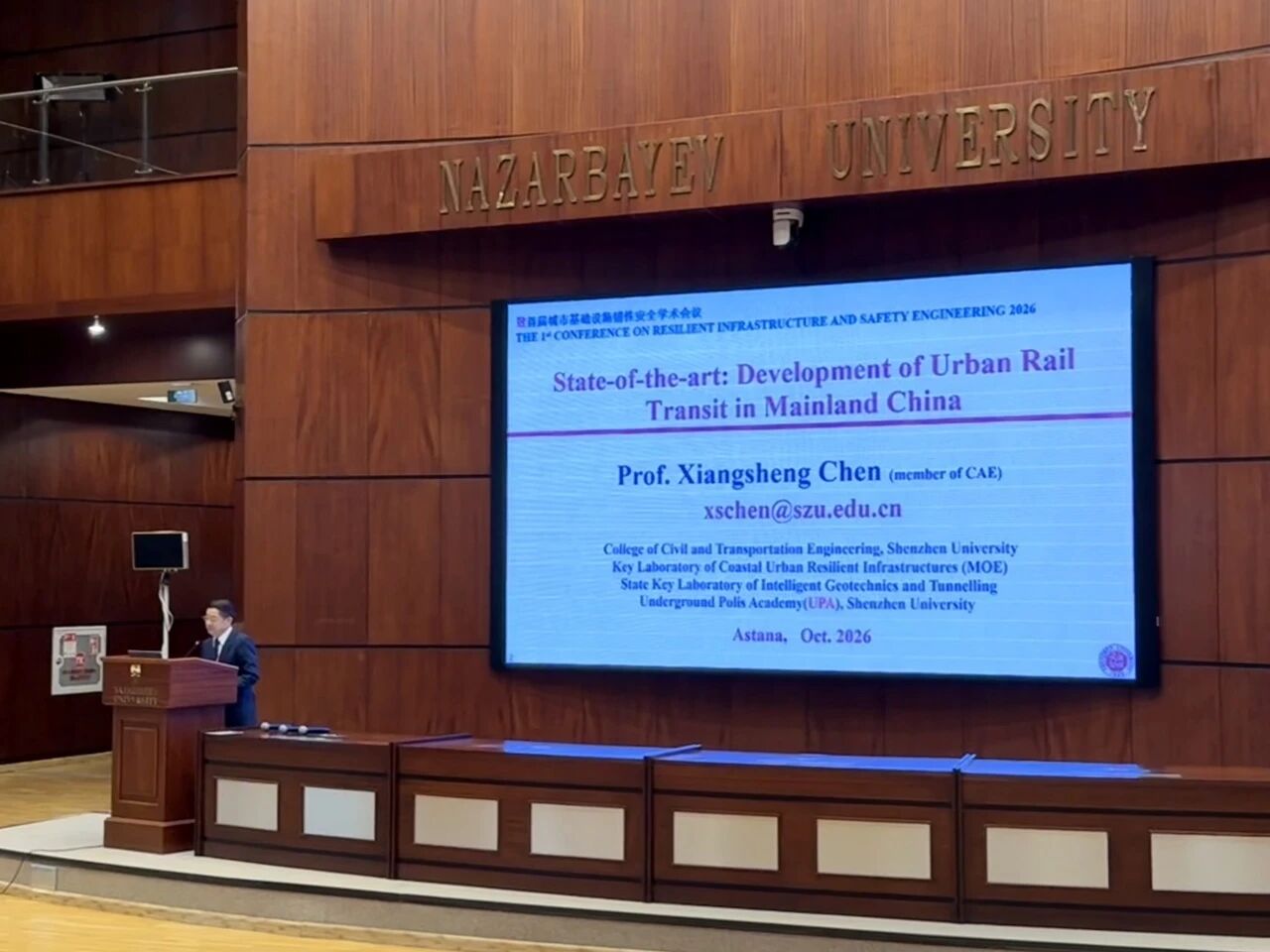
During the keynote session, Academician Xiangsheng Chen delivered a presentation entitled “State-of-the-art: Development of Urban Rail Transit in Mainland of China.” Drawing on the evolution of urban rail transit in China, advances in engineering technology, and major engineering projects, he highlighted the achievements and experience gained in China’s urban rail transit development, offering practical insights from China into the safe construction and high-quality development of rail transit infrastructure in complex urban environments.
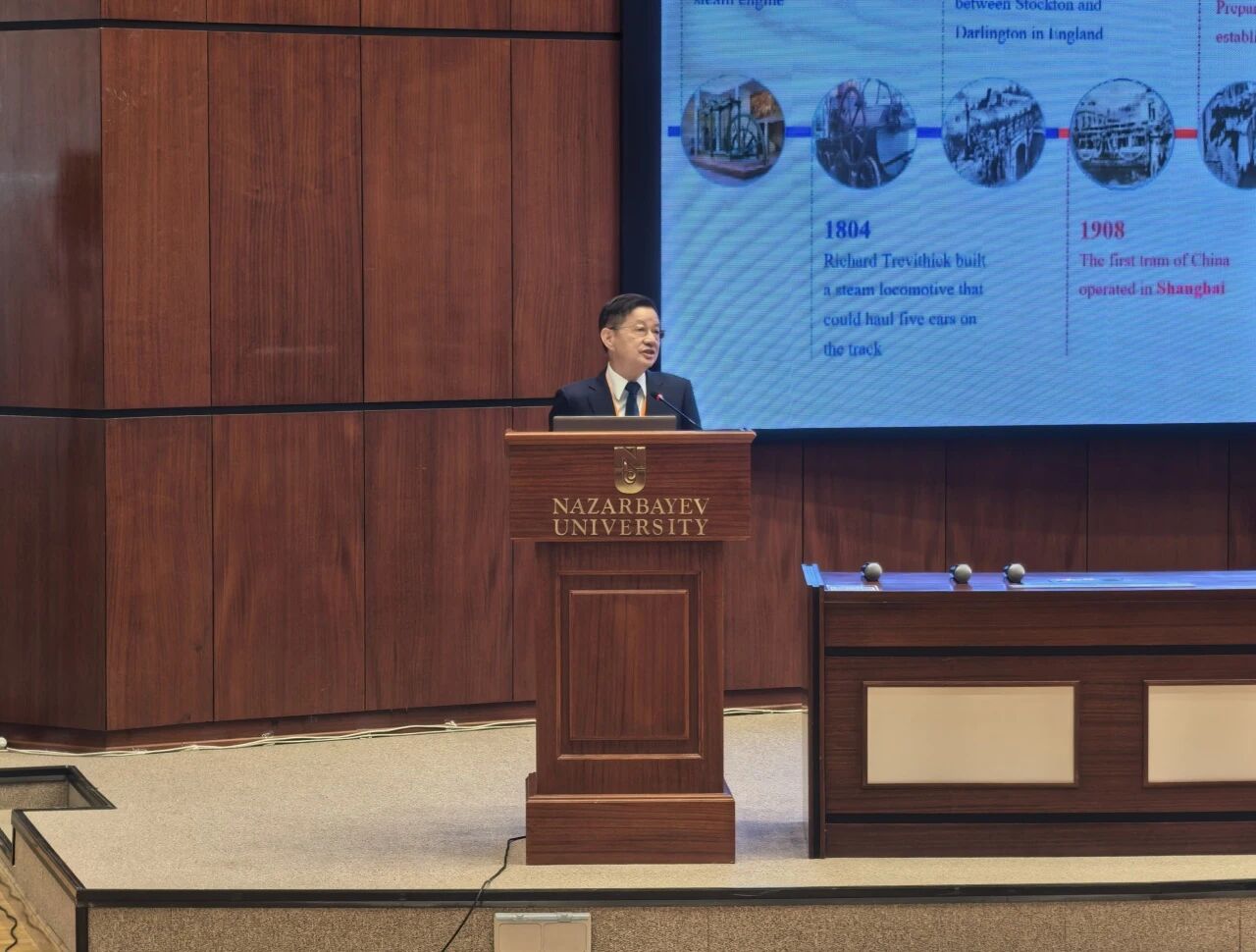
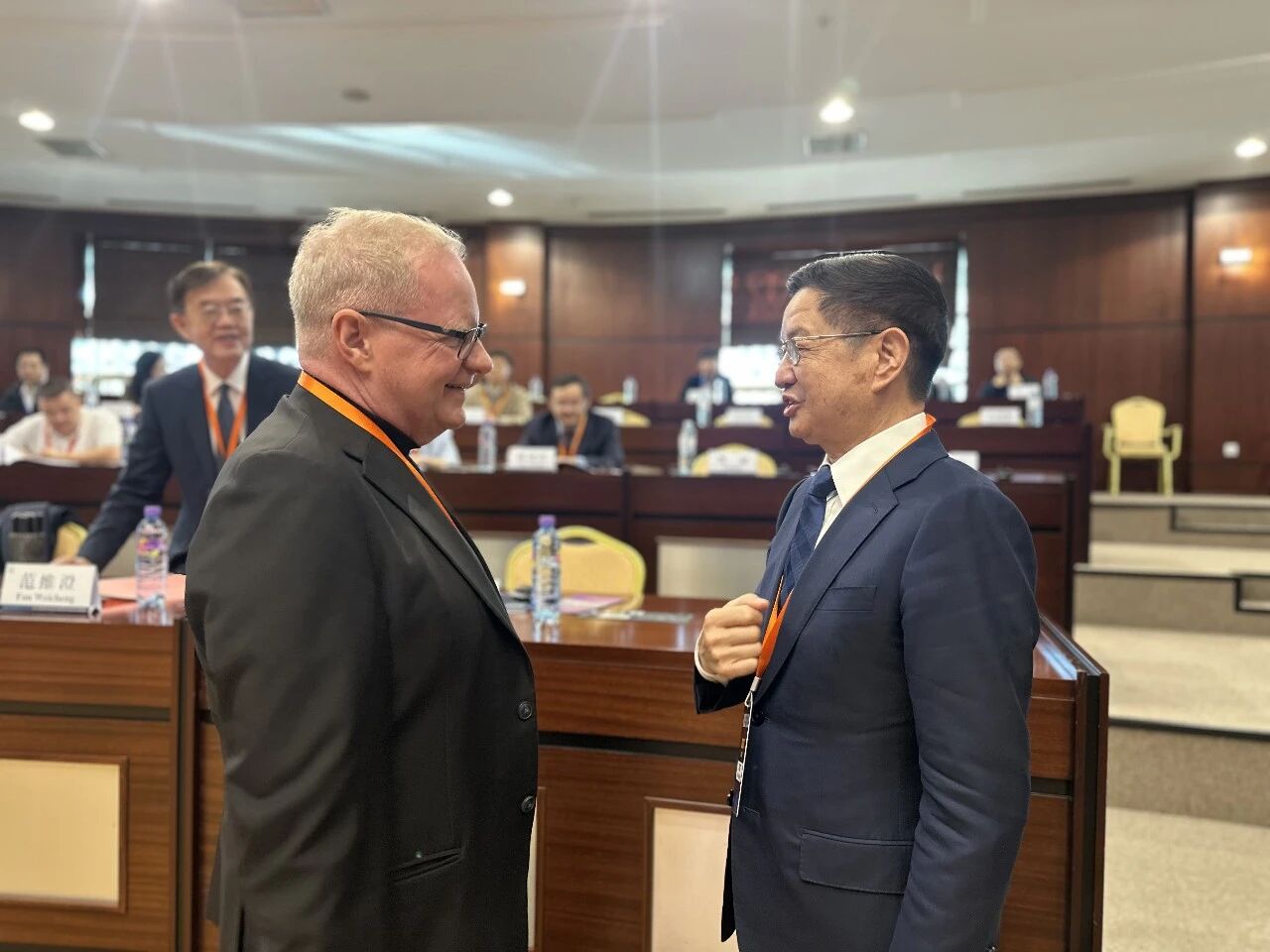
Professor Jianbo Fei also delivered a keynote presentation entitled “The Development of High-speed Railway in China and Attempts for a Resilient Railway Infrastructure.” Other invited speakers included Professor Bjorn Birgisson of Nazarbayev University, Professor Stergios Aristoteles Mitoulis of University College London, and experts from Tsinghua University and Beijing Urban Construction Design & Development Group. They shared research findings on topics including infrastructure vulnerability prediction, urban design for unforeseen risks, urban lifeline infrastructure safety engineering, and intelligent construction.
Following the conference, the Shenzhen University delegation visited City Transportation Systems (CTS) in Astana for discussions and technical exchanges. The meeting was attended by CTS Chairman Дуйсебаев Асылбек Жексенбаевич; Vice Chairmen Рахматулин Рашид Аскарович, Сарбасов Мади Габитович, and Онлабаев Талгат Асылханович; and departmental managers.
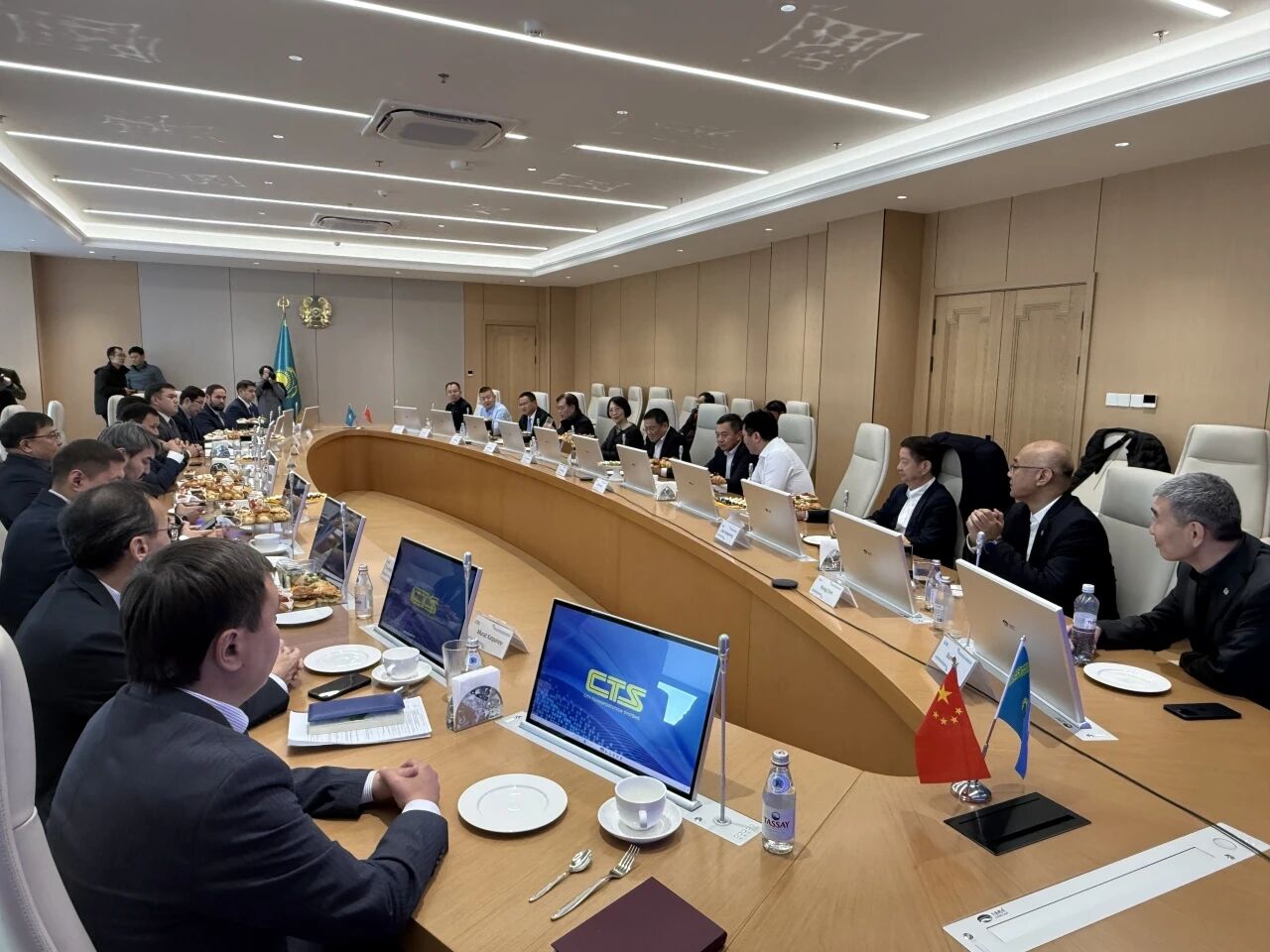
Located in the heart of the Eurasian continent, Astana experiences severe winters and frequent strong-wind events. The two sides exchanged views on the safety of rail transit engineering under the city’s challenging climatic conditions. Drawing on China’s experience in urban rail transit development, Academician Xiangsheng Chen proposed approaches informed by Chinese engineering practice to address technical challenges in rail transit construction, operation, and maintenance in Kazakhstan’s complex environments.

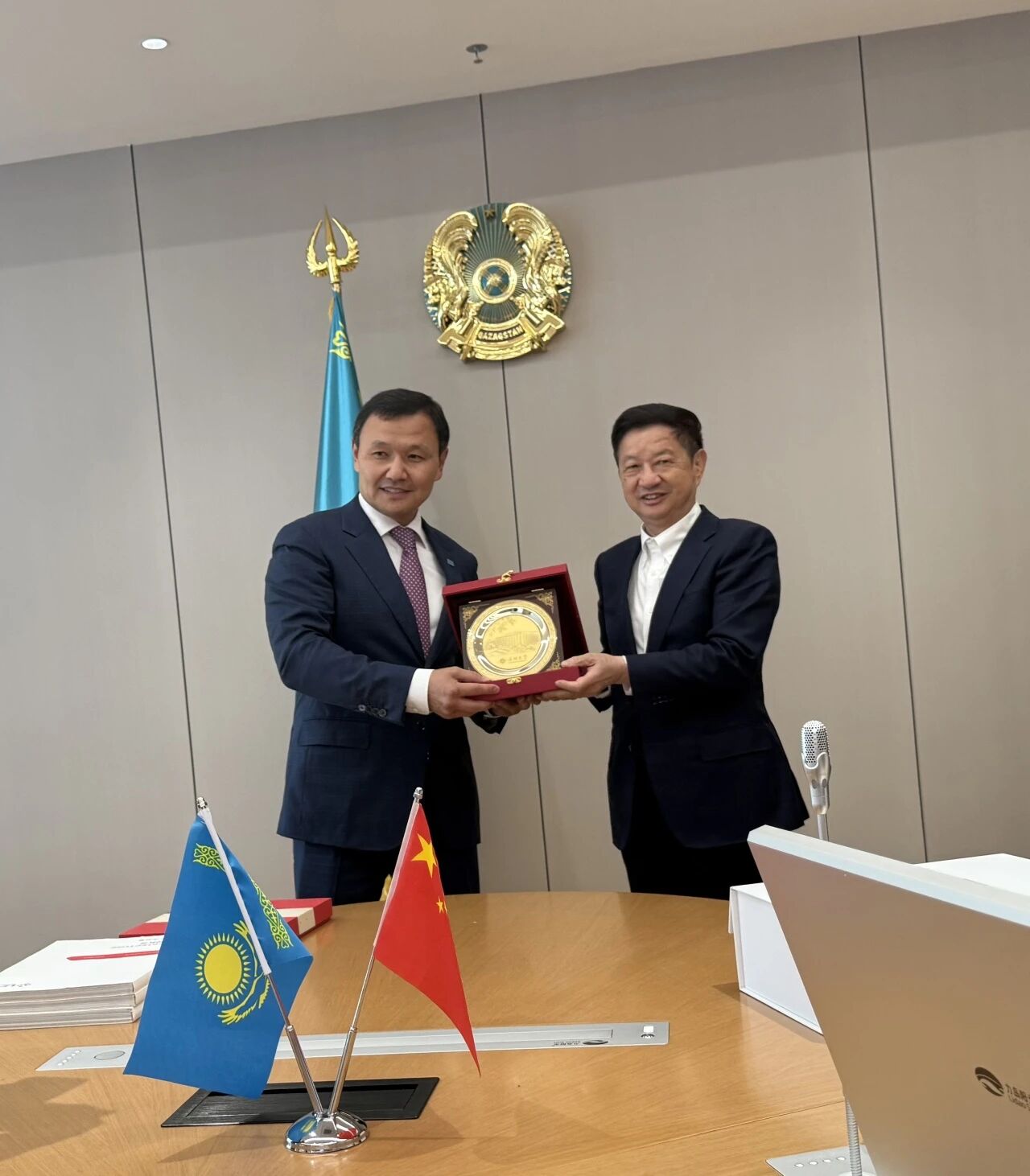
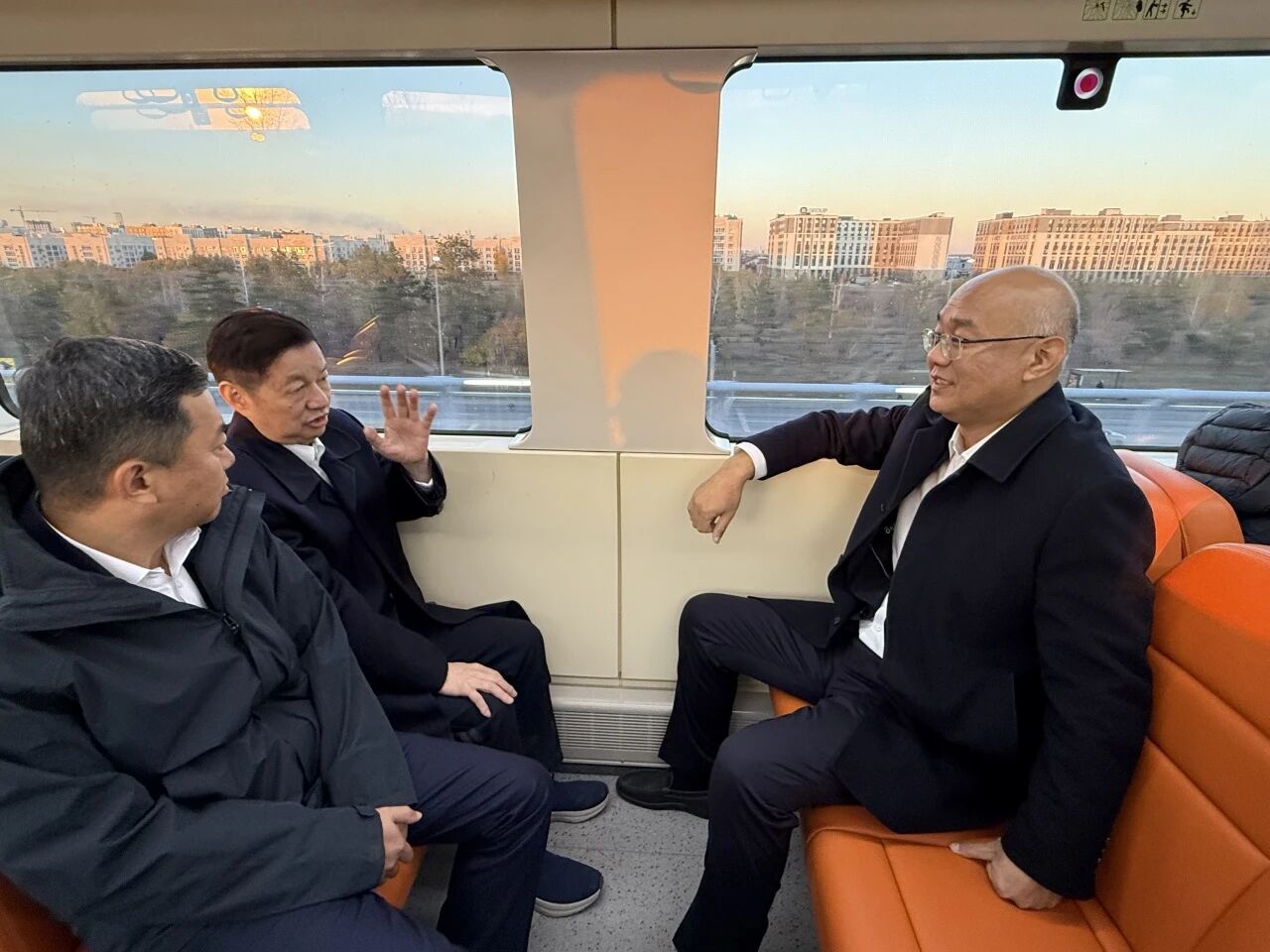
During the visit, the delegation also conducted a field study at the Astana Light Rail Transit control center, learning about operational organization, dispatch and control, and system management practices. The delegation inspected Astana Light Rail Transit Line 1 and the construction site of Line 4, gaining insight into the engineering needs and technical characteristics of urban rail transit development in Kazakhstan. The visit also laid a foundation for future international cooperation on rail transit engineering safety in cold and windy regions.

Editor: Fei Jianbo
First Review:Lu Qiuyue
Second Review: Fei Jianbo, Chen Xi
Third Review: Zuo Yingzi
 Back to Top