
 CN
 Search

Full-site Navigation




International

Tea Party for Foreign Colleagues and Students
 Editor: 王幸君
 Release Time: Jun 14, 2024
 Viewed:
On the afternoon of June 7, 2024, the College of Civil and Transportation Engineering hosted a distinctive tea party for foreign faculty and students in Meeting Room B401 of Zhigong Building. Present at the event were Academician Chen Xiangsheng, Dean of the College; Zuo Yingzi, Party Secretary; Zou Liang, Vice‑Dean; Chen Bixia, Deputy Party Secretary; Liu Wei, Student Affairs Office Director from the School of International Exchange; relevant college secretaries and counsellors, together with 13 foreign faculty members and students from Vietnam, Pakistan, Egypt, Australia, Senegal, Iran, Hungary and other countries. The whole event was conducted in English.
This activity aimed to boost communication among foreign faculty and students, deepen their understanding of traditional Chinese culture, and offer them an open platform to voice their thoughts. To immerse participants in the festive vibe of the Dragon Boat Festival, the college prepared delicious zongzi (rice dumplings) and assorted snacks in advance. The meeting room was tastefully decorated with festive Dragon‑Boat‑Festival‑themed ornaments on the walls, as well as elegant flowers and fresh fruits on the tables, creating a warm and harmonious atmosphere throughout the venue.
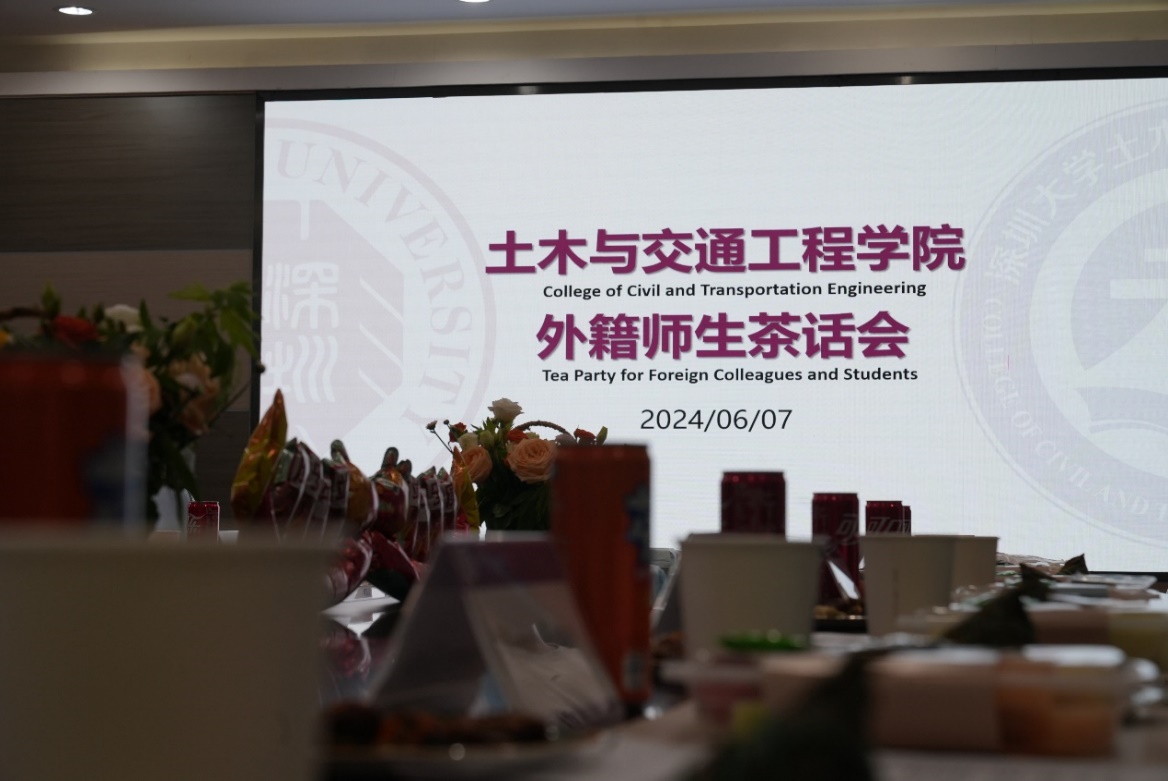
At the opening of the tea party, Deputy Party Secretary Chen Bixia, host of the activity, extended a sincere welcome to all attendees and introduced the purpose of the gathering. She expressed the hope that everyone would embrace a spirit of exploration, respect one another’s diverse cultures, and work jointly to build an inclusive and dynamic academic community. Dean Academician Chen Xiangsheng and Party Secretary Zuo Yingzi delivered speeches respectively, sending warm greetings and festive wishes to all foreign participants.
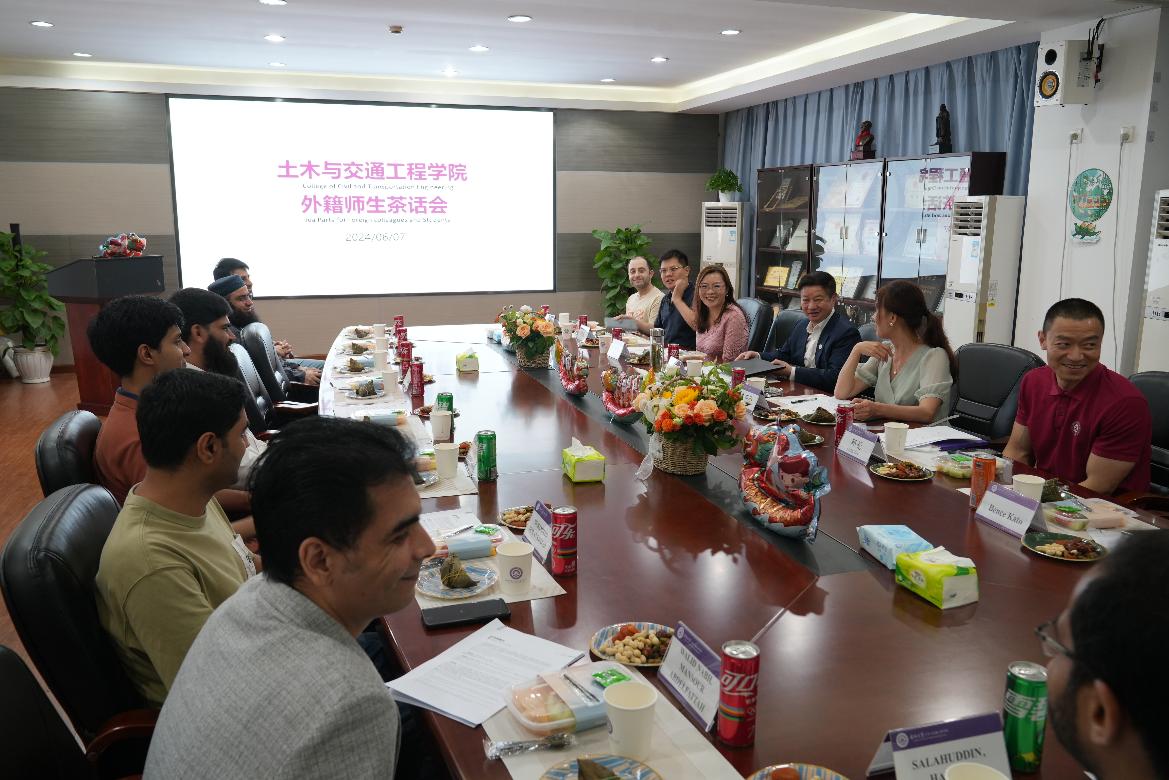
Wang Xingjun, International Affairs Secretary, gave a vivid introduction to the story of Qu Yuan as well as traditional Dragon Boat Festival customs including zongzi‑making and dragon‑boat racing. She highlighted the great cultural significance of the Dragon Boat Festival in China, and invited foreign faculty and students to taste the specially‑prepared zongzi and refreshments. Warmth and joy filled the whole room.
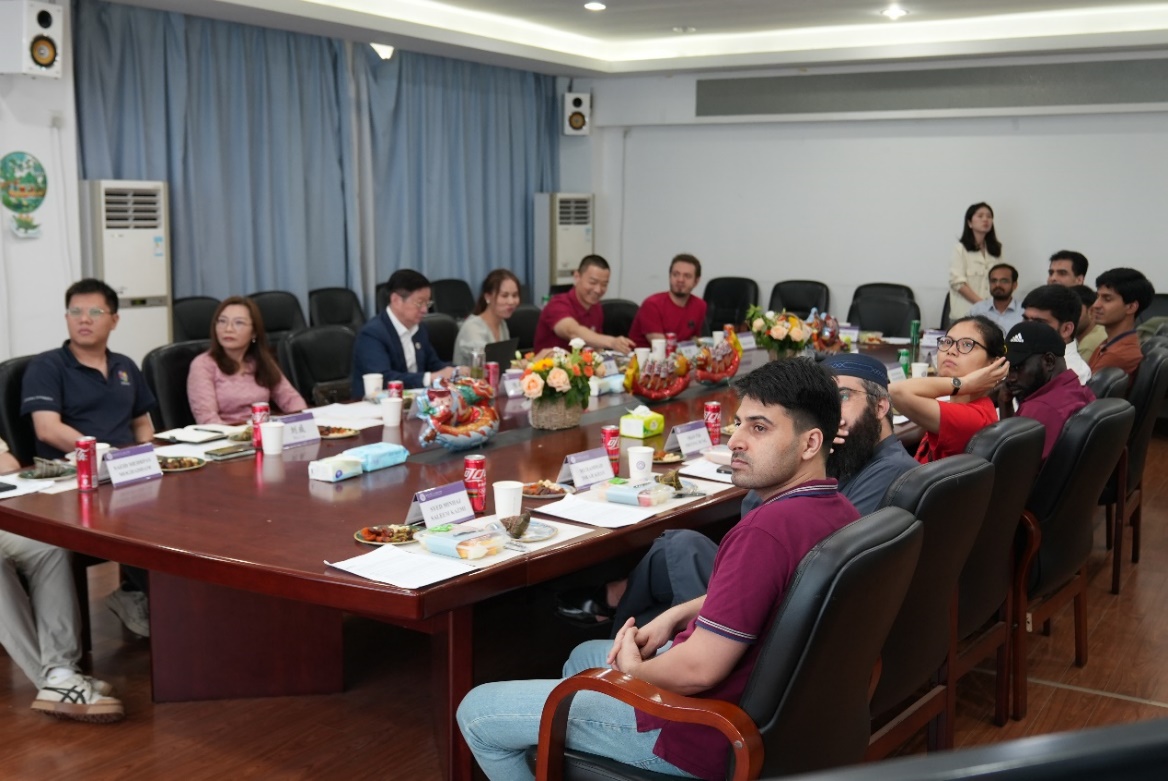
During the following free‑talk session, participants shared insights on various traditional Chinese festivals and folk customs. Several foreign postdoctoral researchers, including WALID NABIL MANSOUR ABDELFATTAH and MUHAMMAD ISRAR KHAN, took the floor enthusiastically to share festivals and traditions from their home countries, showcasing rich cultural diversity.
Foreign faculty and students also discussed practical topics. They raised questions and shared feedback regarding their daily life and work in China, which were carefully listened to by college representatives. One topic sparked heated discussion: whether foreign postdocs could deliver lectures for undergraduate and postgraduate courses. Many foreign participants expressed willingness to take on teaching tasks. Foreign faculty member Bence Kato remarked that this opportunity would help them improve their teaching capabilities and facilitate academic exchanges between China and other countries.
The College of Civil and Transportation Engineering is committed to fostering an international and diversified academic environment, and will keep improving study‑and‑life support for foreign faculty and students. More than a cultural exchange event, this tea party served as a precious opportunity for cross‑cultural communication and mutual understanding. We look forward to holding more such activities so that faculty and students from varied cultural backgrounds can grow and progress together as part of our college community.
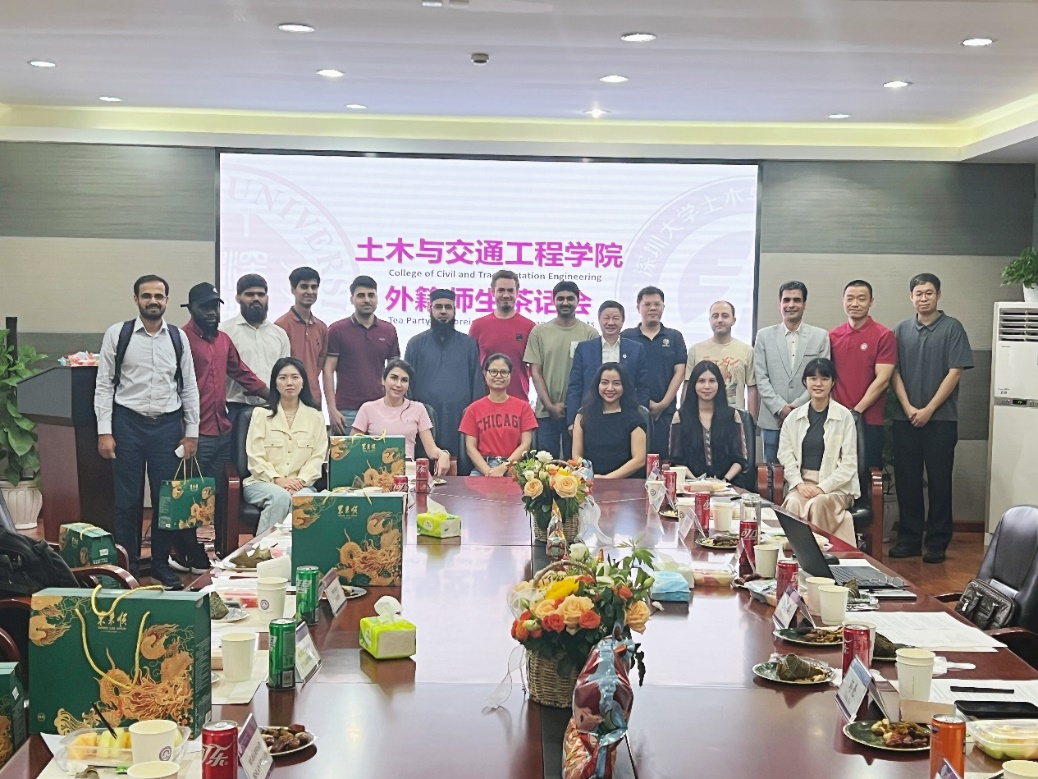
The tea party concluded in a relaxed and pleasant mood. Through this event, foreign faculty and students gained deeper insights into traditional Chinese culture and felt the college’s care and support. Moving forward, the College of Civil and Transportation Engineering will continue to optimise living and learning conditions for foreign teachers and students and advance the international development of the college.
 Back to Top