
 CN
 Search

Full-site Navigation




Research

HarmonyOS, CABR explore joint program with Shenzhen University's civil engineering college
 Editor: 卢秋月
 Release Time: Oct 15, 2026
 Viewed:
Shenzhen, October 8, 2026 — A delegation from HarmonyOS and the China Academy of Building Research (CABR) visited the College of Civil and Transportation Engineering at Shenzhen University on Thursday to discuss a potential joint education program and curriculum development, in a further push to bring the homegrown operating system into civil engineering classrooms.
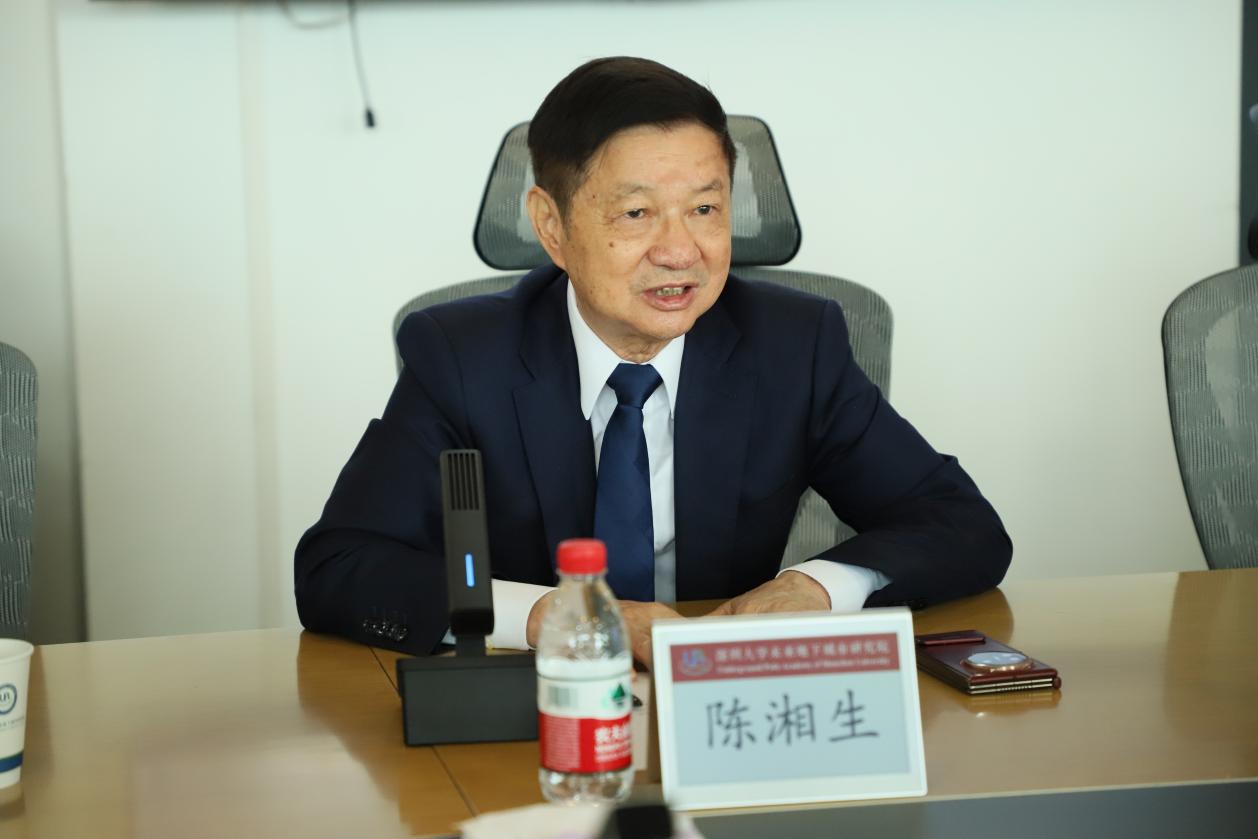
The forum was hosted by Prof. Xiangsheng Chen, an academician of the Chinese Academy of Engineering and dean of the college.
Industry participants included Prof. Haibo Chen, Huawei Fellow and chief scientist of HarmonyOS;Mr. Jun Guan, general manager of the science and technology department of China State Construction International Holdings Limited; Mr. Zhanqi Sun, Guangdong Provincial Master of Engineering Survey and Design at CSCEC Hailong Technology ;Mr. Chao Feng, general manager of CABR Technology Innovation (Shenzhen) ; andMr. Yong Cao, general manager of CSCEC Yanzhihong (Shenzhen) Technology.
They were joined by Prof. Xiangzhong Ren, director of the university's Academic Affairs Office; Mr. Bin Qin, secretary of the Information Center;Prof. Jianqiang Li, dean of the School of Artificial Intelligence; Prof. Jun Guo, vice dean of the college; Prof. Xiaohui Sun, assistant to the dean; and faculty members from the college.
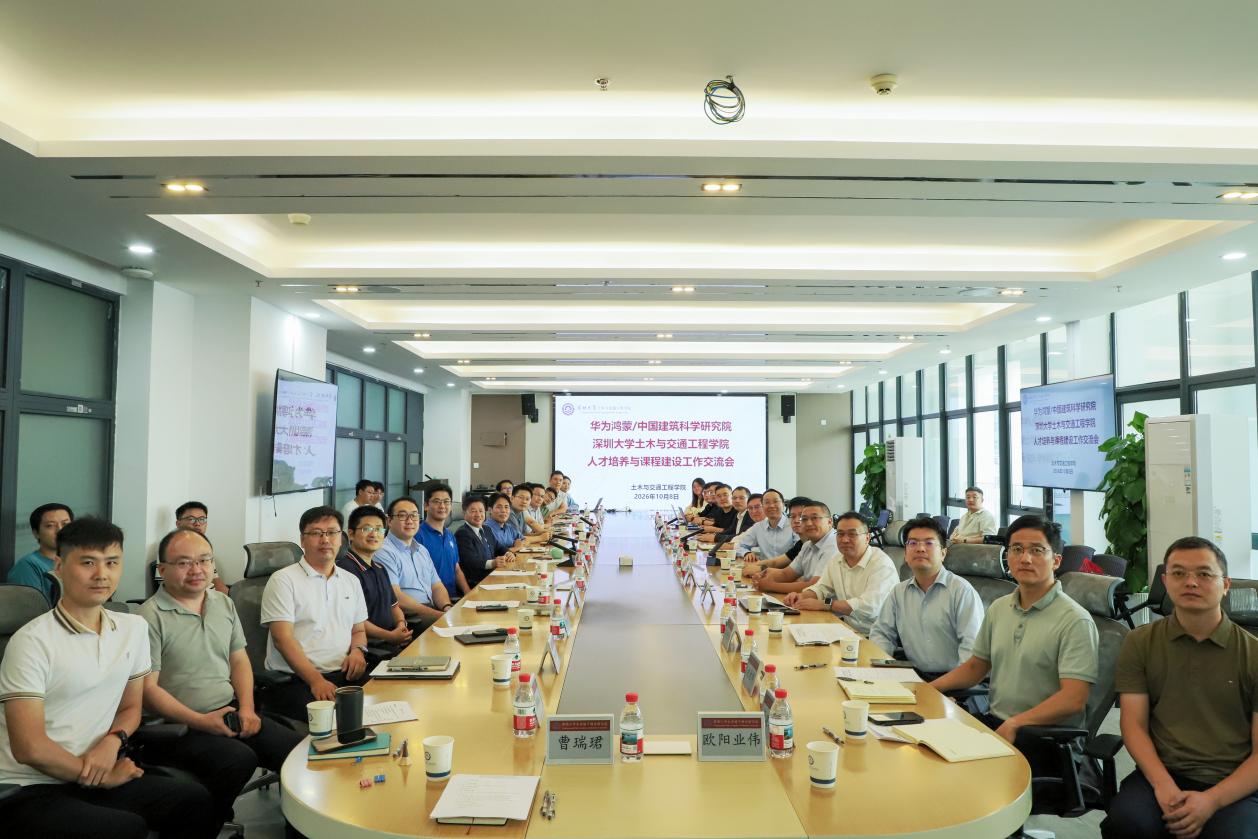
In his opening address, Chen said civil engineering is a fundamental discipline underpinning national security and public well-being, and that the college will build distinctive strengths in the field at Shenzhen University while exploring new paths for science and education reform based on HarmonyOS.
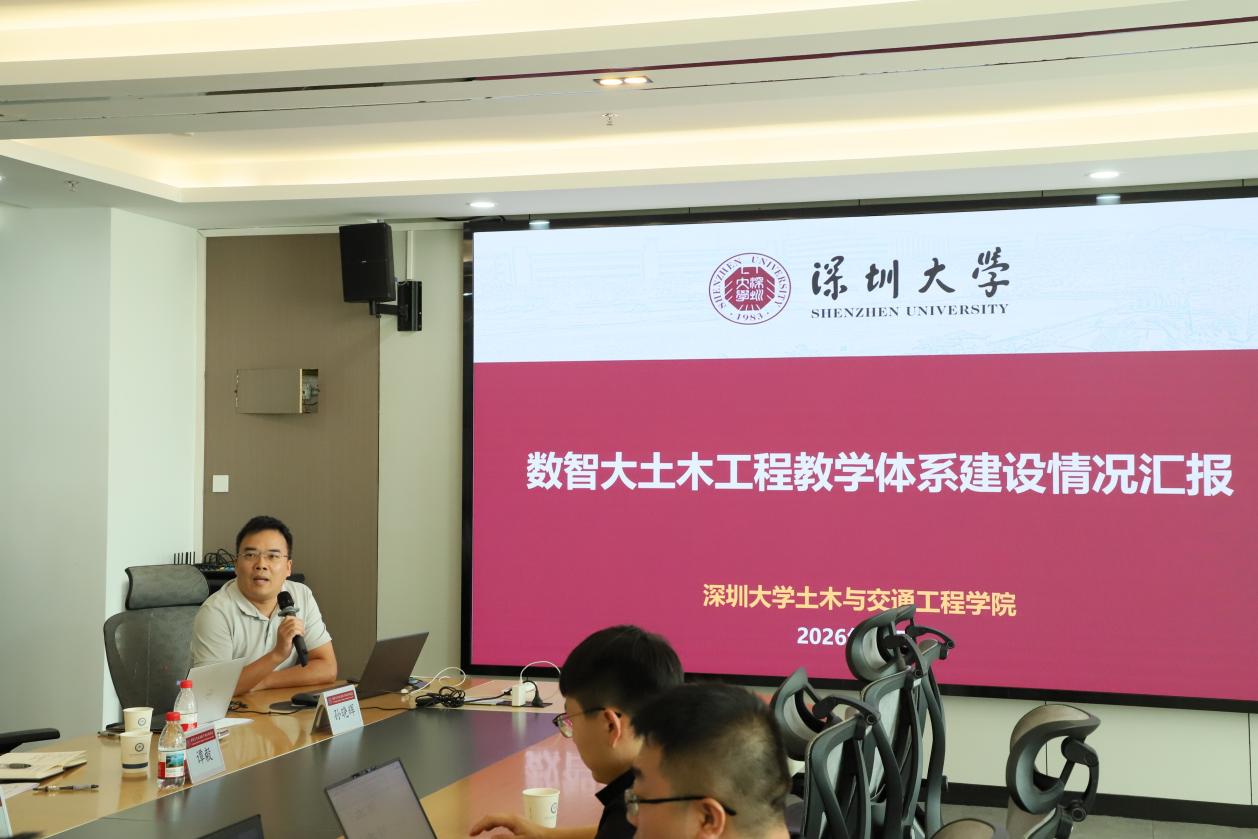
Prof. Xiaohui Sun outlined progress on the college's digital and intelligent teaching system for the broad civil engineering field, covering its development background, guiding principles and content. He described scenario-based digital teaching platforms built at college level, the HarmonyOS-enabled teaching practice in the Department of Engineering Management and Science, and the rollout of digital and intelligent courses for civil engineering and intelligent construction majors.
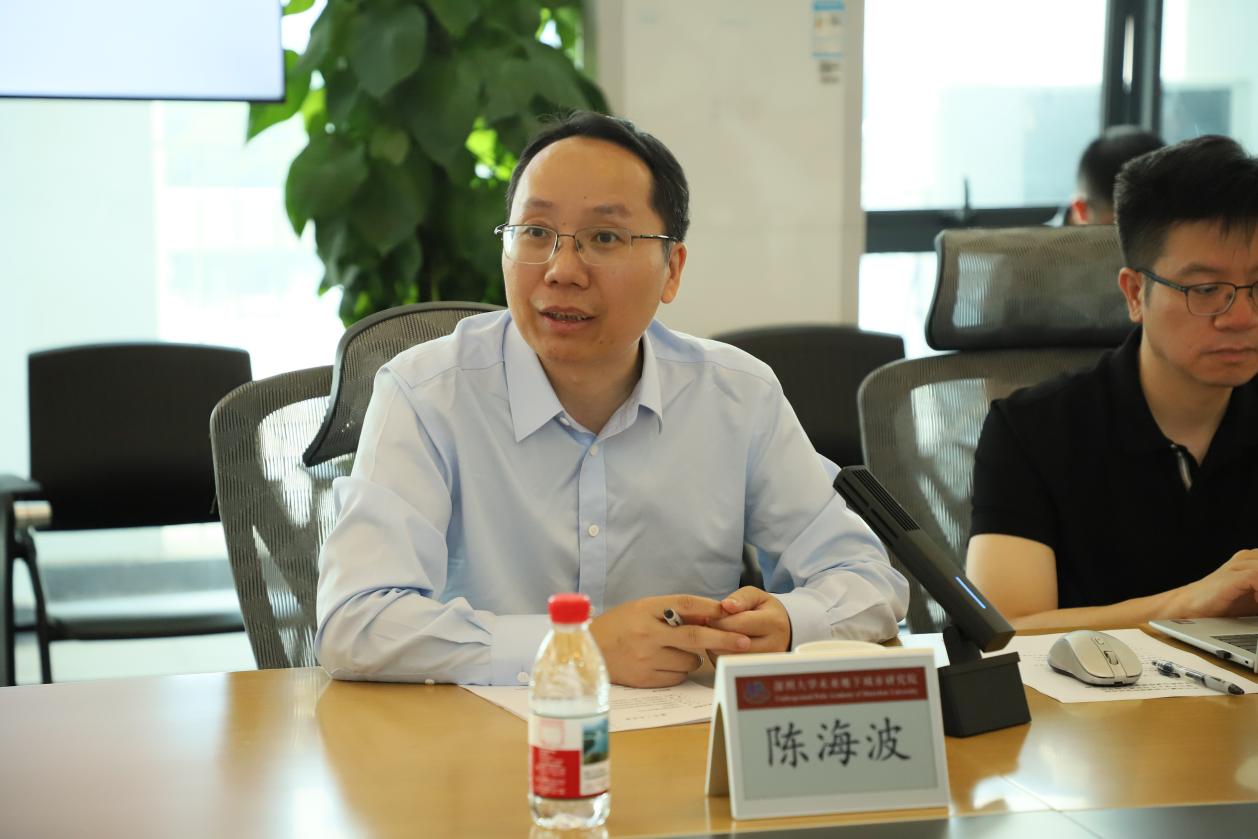
Prof. Haibo Chen introduced OpenHarmony and its vision of a distributed, full-scenario open-source operating system and ecosystem for the era of ubiquitous intelligence. He proposed deepening cooperation with Shenzhen University, including multidisciplinary teaching driven by engineering projects.
Mr. Yong Cao said his team has made building intelligence systems homegrown and independently controllable, using five core scenarios and 38 subsystems, and has extended HarmonyOS applications across digital design, intelligent production and construction, and smart buildings. He also discussed developing a HarmonyOS-focused teaching system.
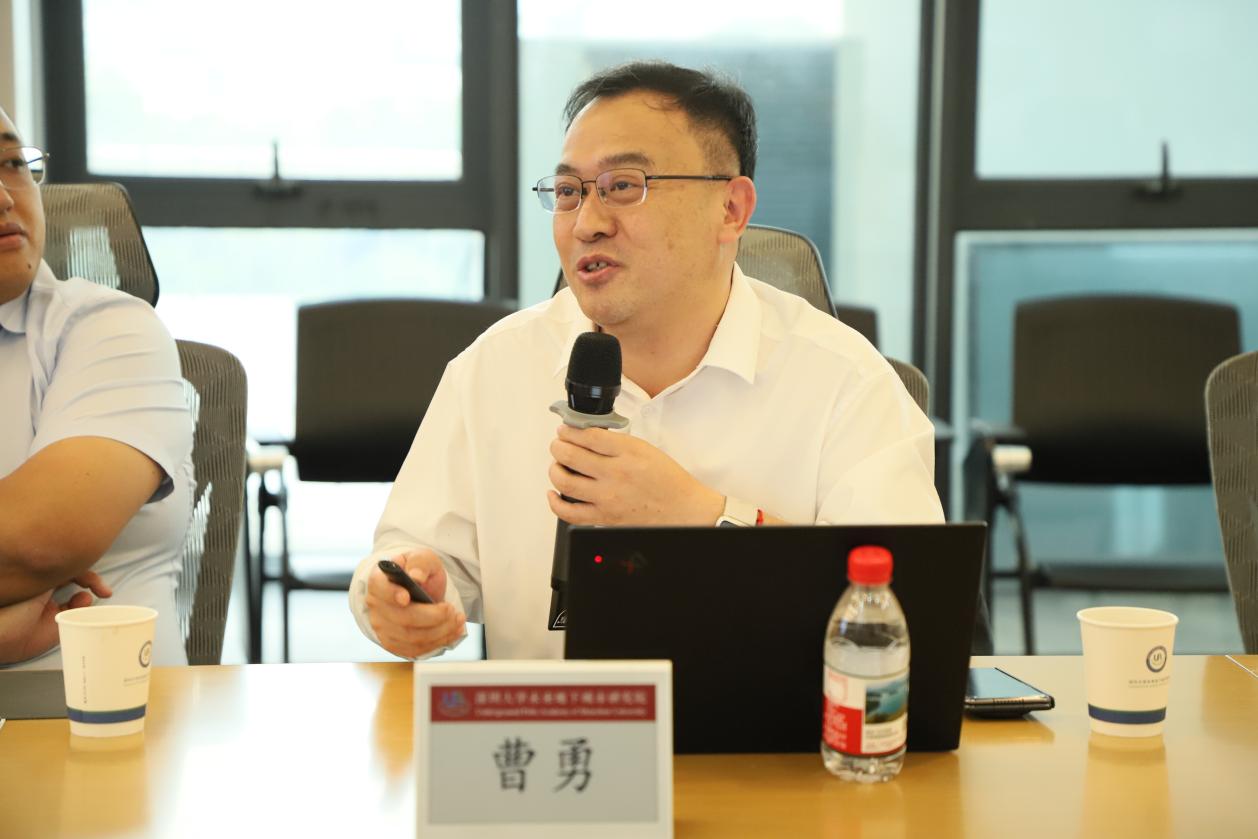
Mr. Zhanqi Sun, Prof. Jianqiang Li and Mr. Bin Qin then spoke on interdisciplinary integration and industry-education integration, offering suggestions drawn from their respective fields.
Prof. Xiangzhong Ren said 2026 marks the university's first "Undergraduate Education and Teaching Reform Year," and that the dialogue provides a platform for integrating OpenHarmony technology with digital and intelligent civil engineering education. He called for intelligent sensing, digital twins and AI to be embedded in the curriculum to raise the quality of undergraduate training, and said he hopes to expand collaboration with Huawei and China State Construction affiliates.
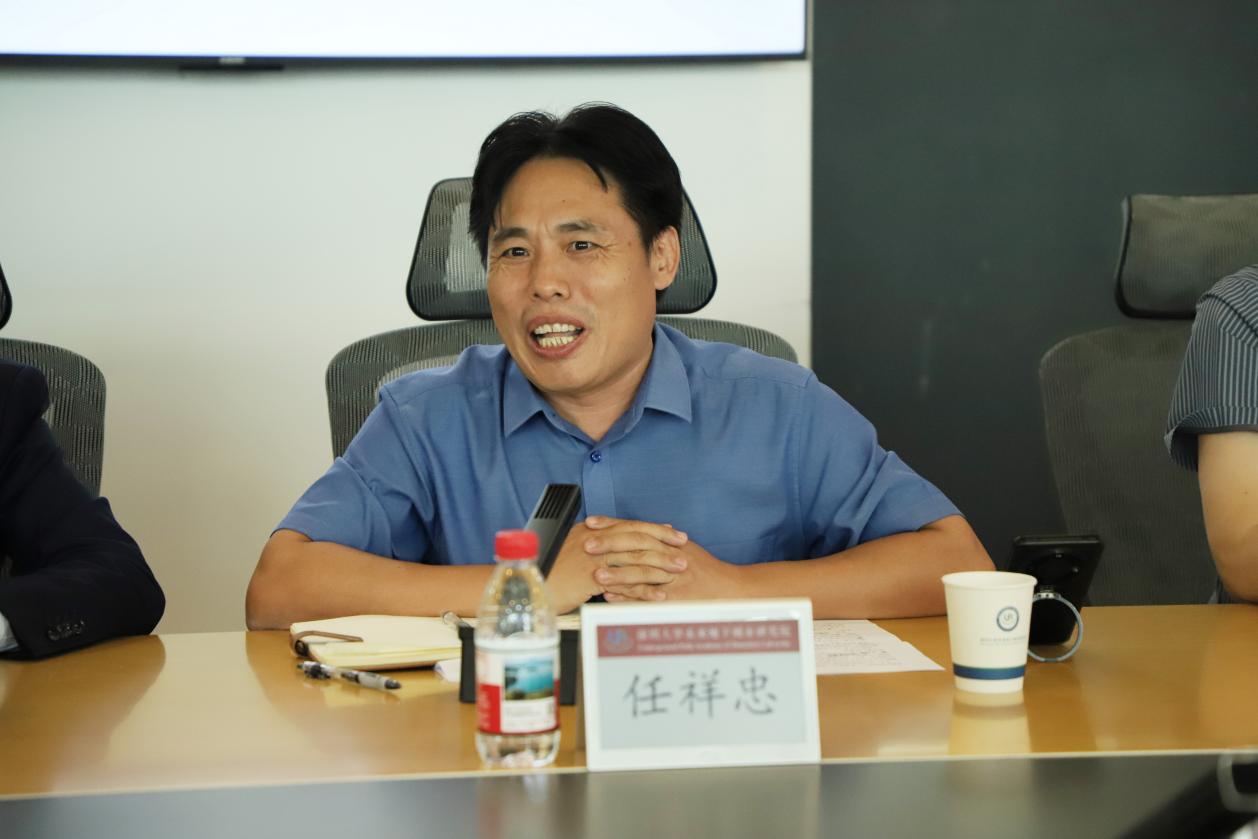
The two sides held in-depth discussions on talent training models, digital and intelligent curriculum systems and industry-education collaboration, and reached broad consensus on next steps.
Editor: Song Liangyuan
First Review: Lu Qiuyue
Second Review: Guo Jun
Third Review: Zuo Yingzi
 Back to Top